Designing the End-to-End Participant Experience for a Quarterly Tech Bootcamp
Mapping and redesigning the journey for 80 attendees, 50 presenters, and 30 data center visits — quarterly, without errors.
Role
Solo Product Designer
Research, UX Design, Information Architecture, Visual Systems
Company
Enterprise Storage Provider Accelerator (ESPA)
Tools
Figma, HTML & CSS, Zapier, Notion, Webflow, Tally,
Timeline
8 Quarters, 2023-2024
Where enterprise storage professionals came to learn and stay connected
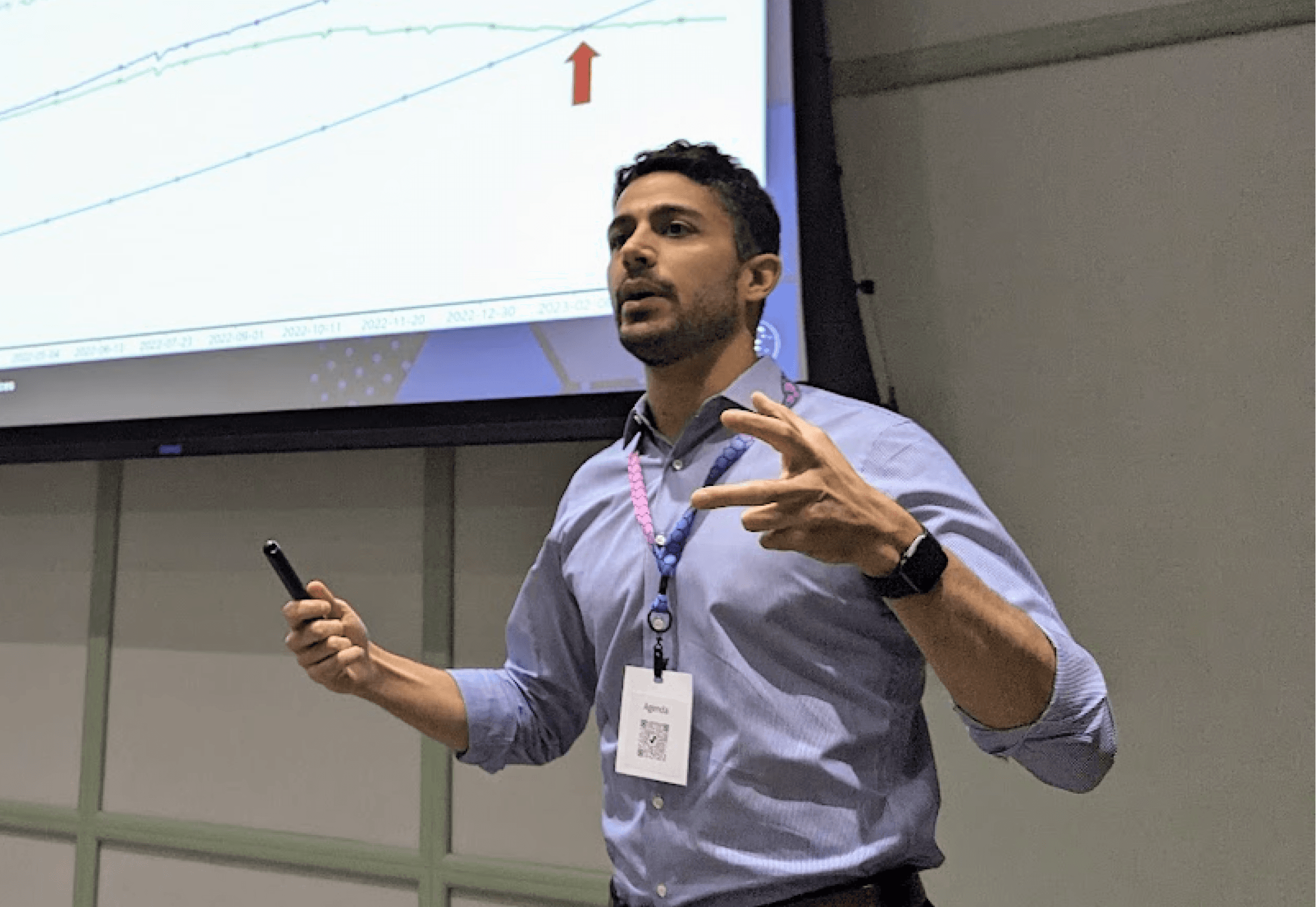
50
Presenters
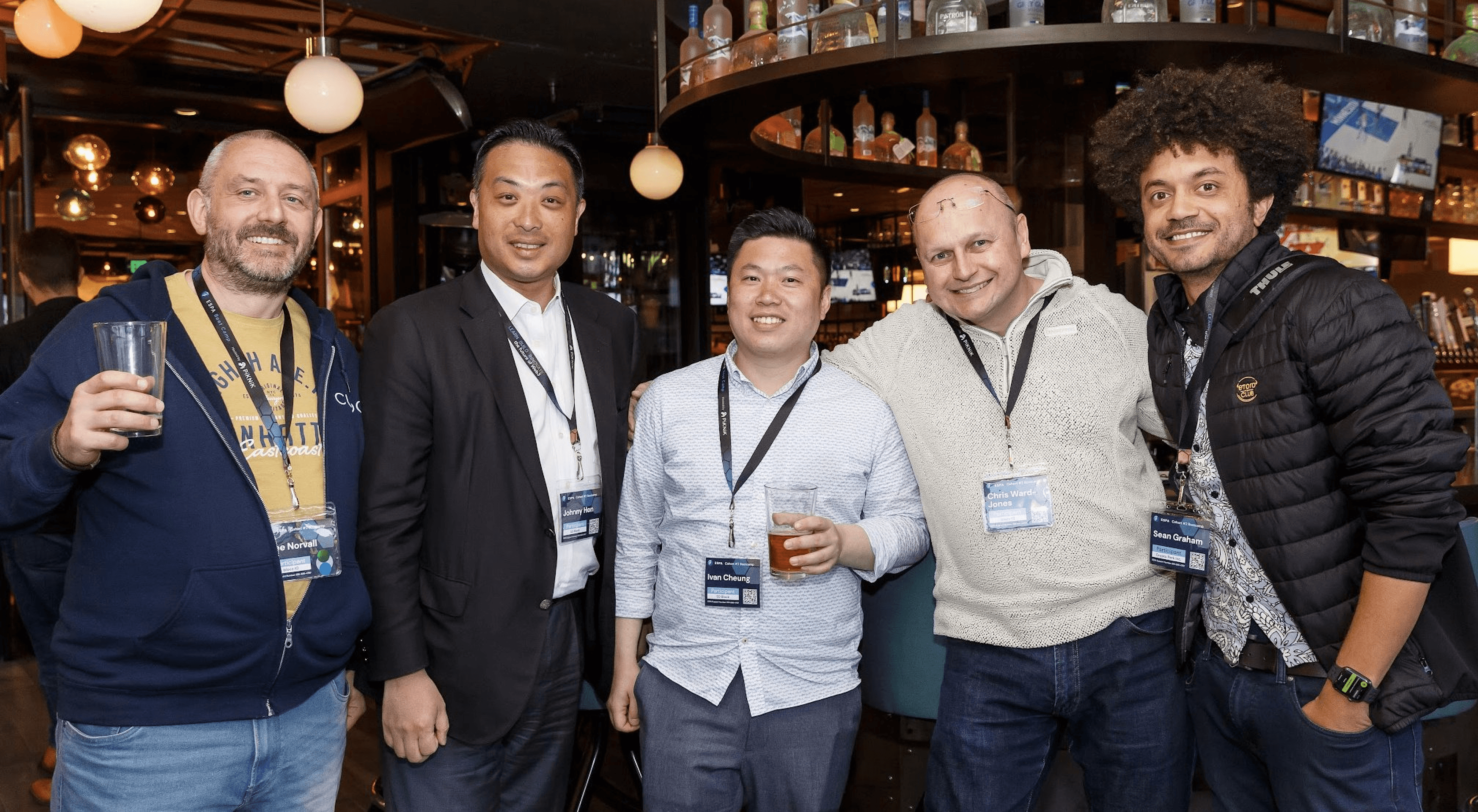
80
Attendees

30
Data center tours
3 day event · every 3 months · 8 cycles
ESPA was a quarterly crypto ecosystem bootcamp to accelerate enterprise storage education and build a lasting professional community between cohorts.
Three days of live sessions, practitioner presentations, and hands-on data center visits gave every cohort the ingredients for lasting connection.
Problem
Information had no single home. Everything downstream broke because of that
I still need a confirmed slot . What's available?

Presentation.ppt
Presenter

Attendee
I wanted to sign up for the tour but didn't know how

application.pdf
The guest list we received didn't match who actually showed up

Presentation.ppt

Data Center Coordinator
GROUP INTERDEPENDENCE
Four groups all routed manually through one person with no system to support it.
Presenters, attendees, sponsors, and tour coordinators converging on one team, through email, with no routing logic and no shared record
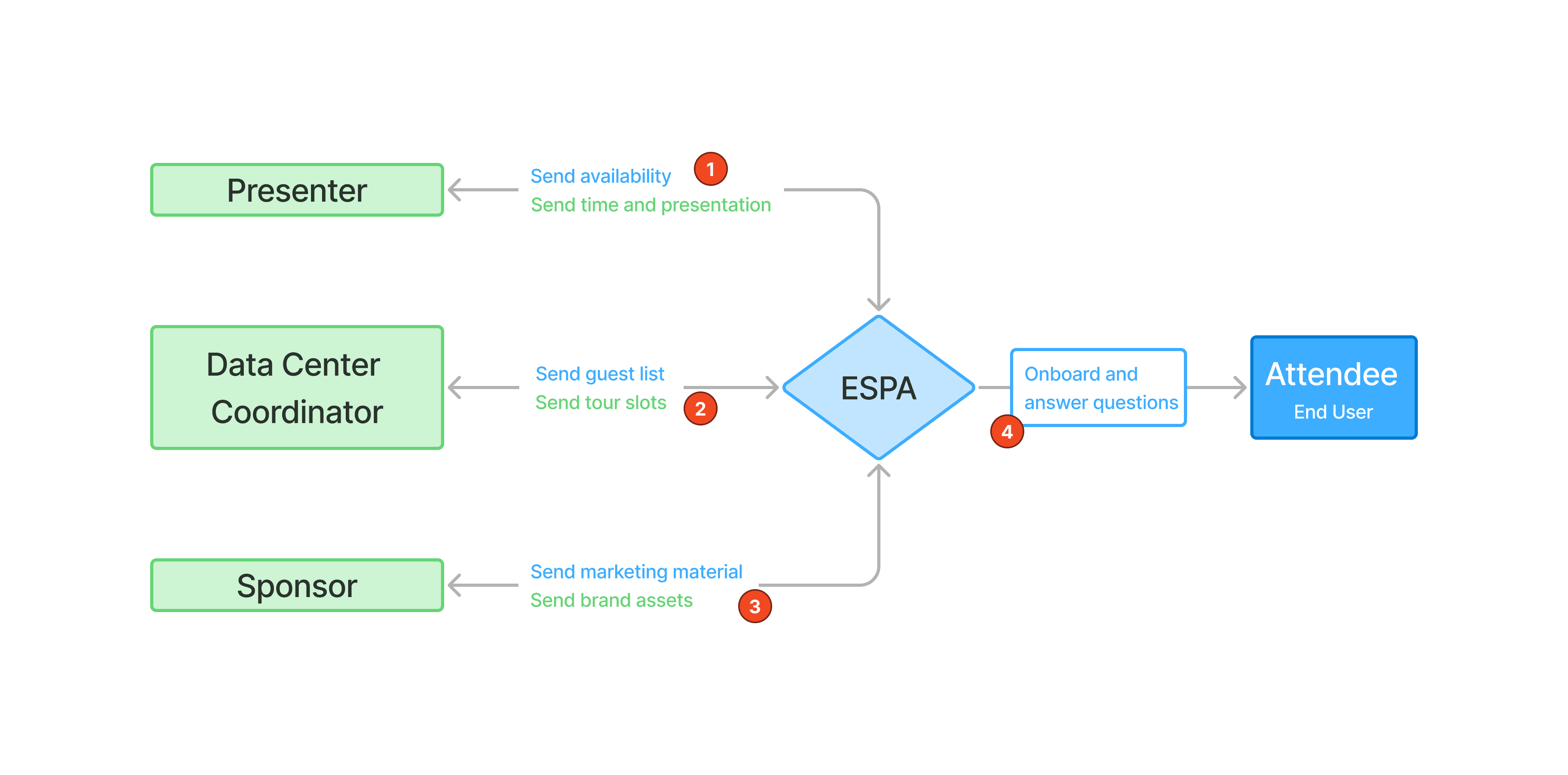
1
Presenters
Repetitive scheduling and mistaken accidental booking
2
Tours
Double booked tours, missed confirmation
3
SPONSORS
Missed deadlines and unclear value from event organizer
4
attendees
Late onboarding, repeated questions, missed connections
CONNECTION WITHOUT CONNECTION
The coordination layer happened in emails.
A PDF form captured attendee data but scheduling, asset delivery, and confirmation each required someone to manually transfer that data to the next step , every quarter
Before
EMAIL CHAOS
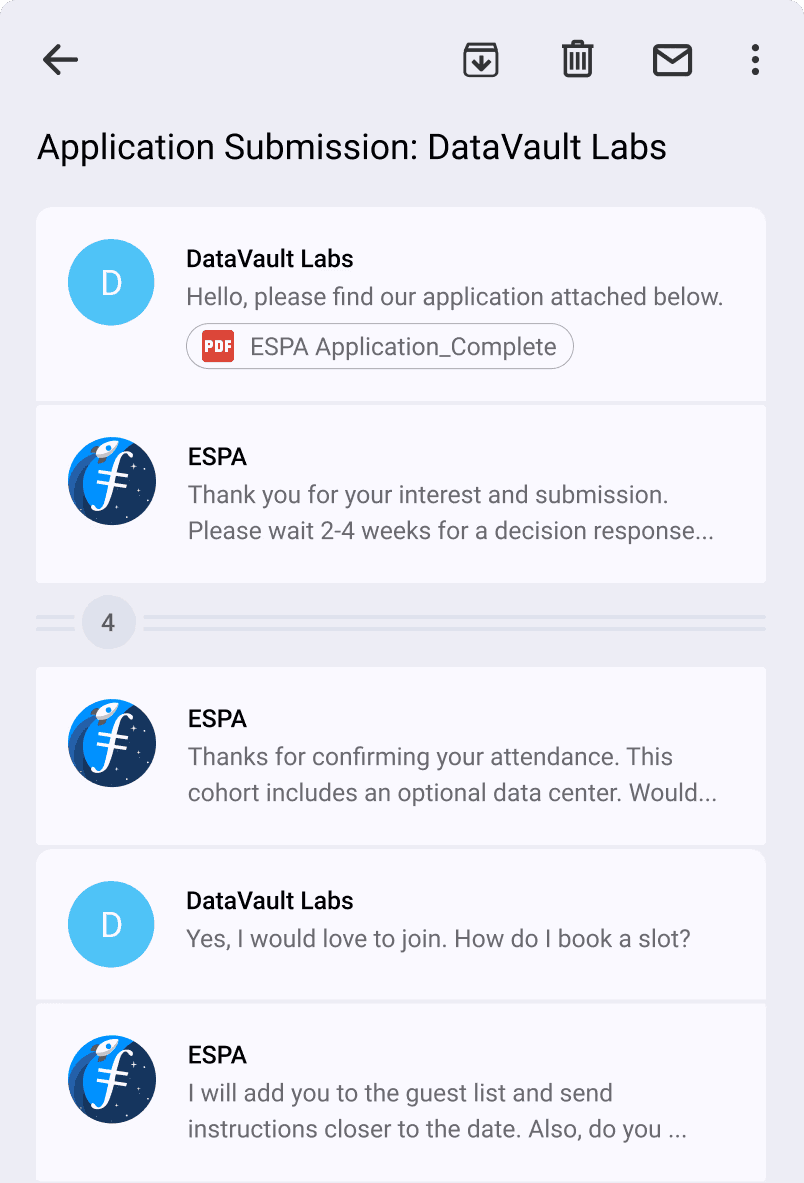
After
STRUCTURED INTAKE
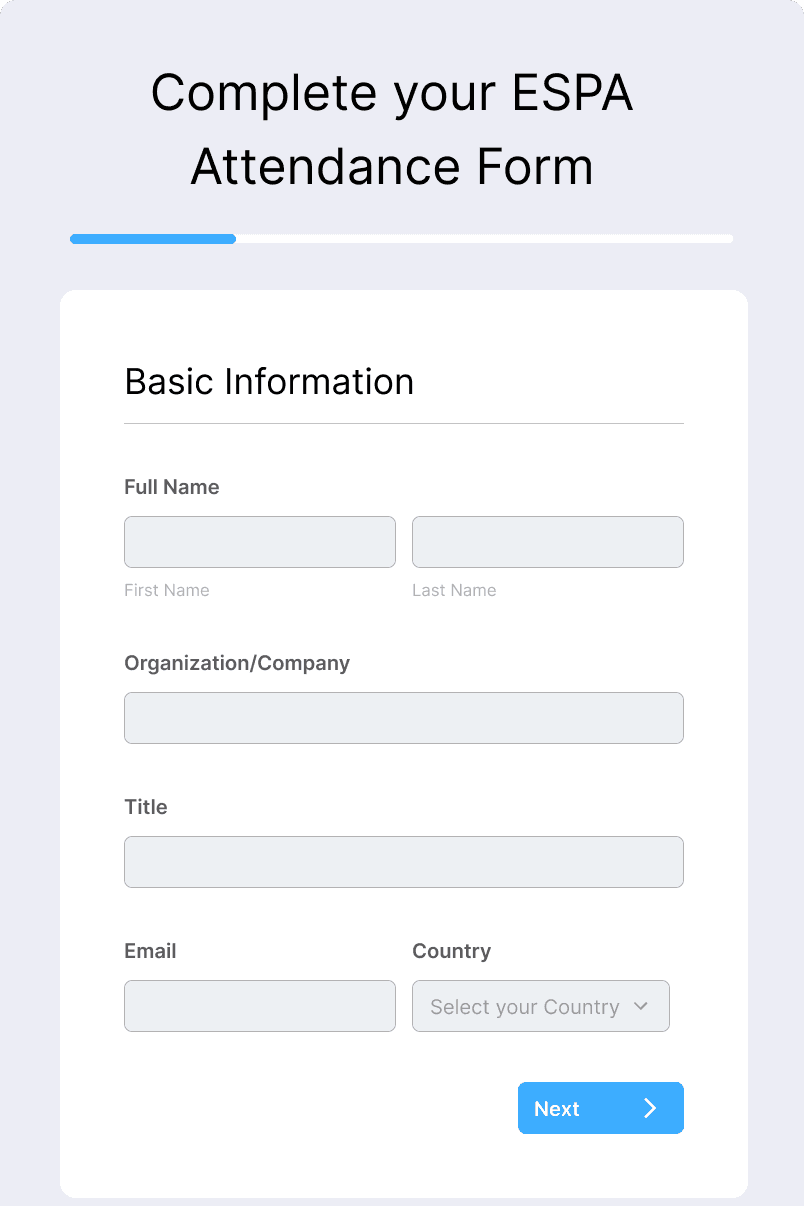
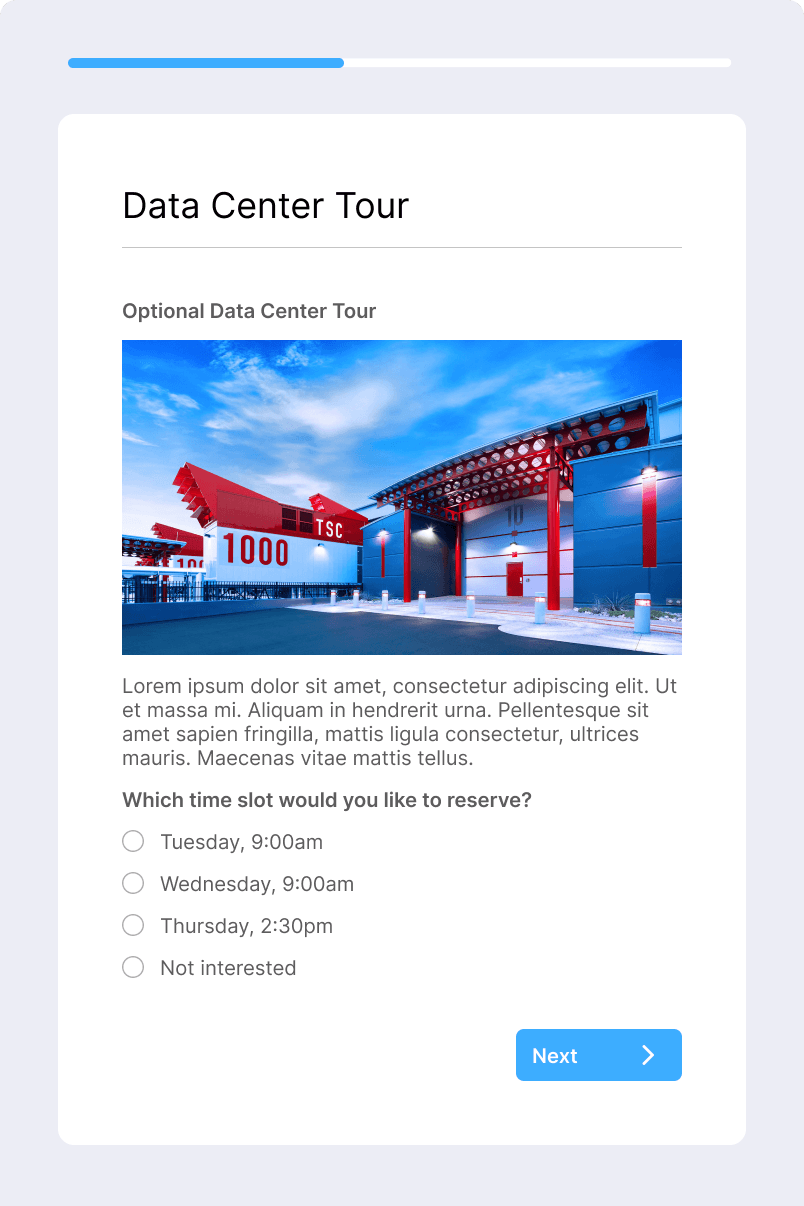
No shared system meant everyone absorbed the cost in a different way
ESPA team needed repeatable systems
~25 hours of manual work per cohort, rebuilt every quarter.
Partial records meant missing details lived in email.
Double booked tours and missed confirmations.
Participants needed clarity and continuity
Late onboarding, repeated questions, missed connections.
Presenters chased assets across separate email threads.
Community dissolved with no post-event hub to return to.
THE RESULT
High staff workload every quarter, poor data quality, and lost community value after every event was over.
RESEARCH CONTEXT
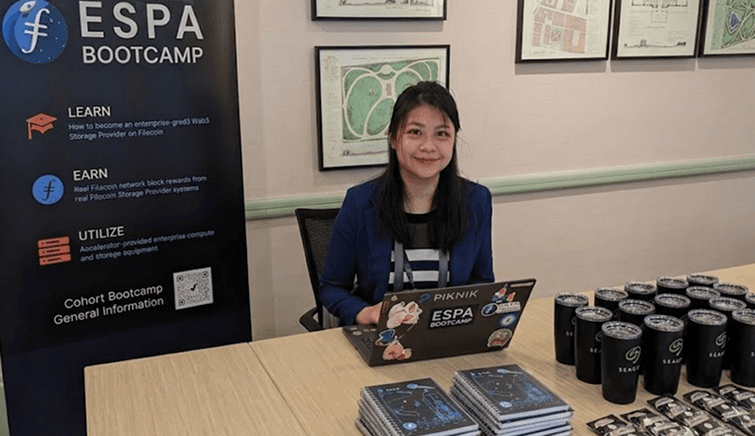
Coordinator role - direct visibility into every intake interaction
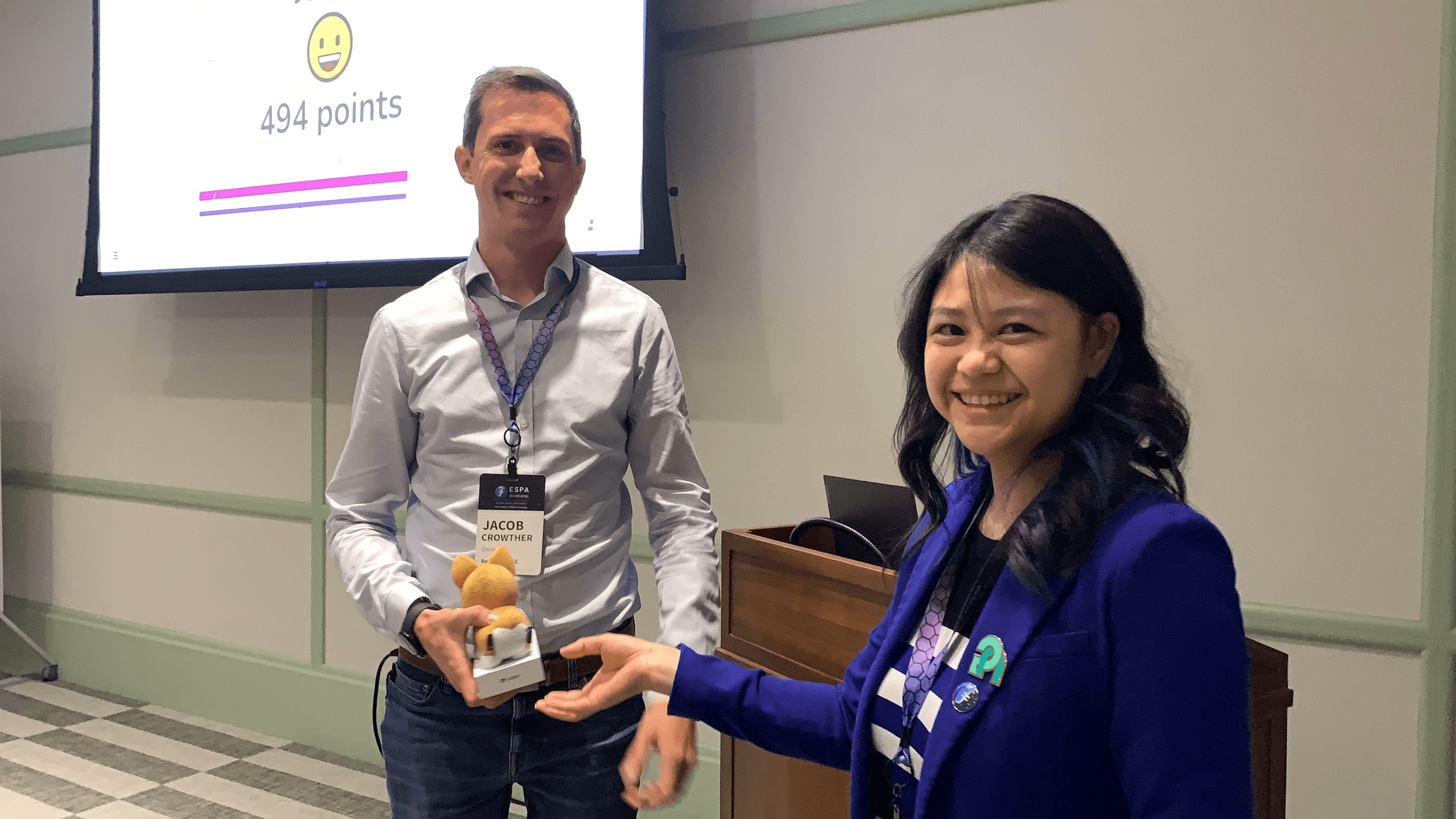
MC Role - operational responsibility for the experience
Research grounded in direct access, not approximation
The research came from direct operational experience. I wasn't studying the coordination problem from the outside, I was embedded in it. That access made visible the failures that had been normalized into invisibility
EXISTING SYSTEM — ITERATIVE PROCESS
Each cohort and iteration revealed a deeper layer of the same problem
The coordination system evolved across eight cohorts. Intake, tracking, communication, and scheduling lived in separate tools with no automation layer connecting them
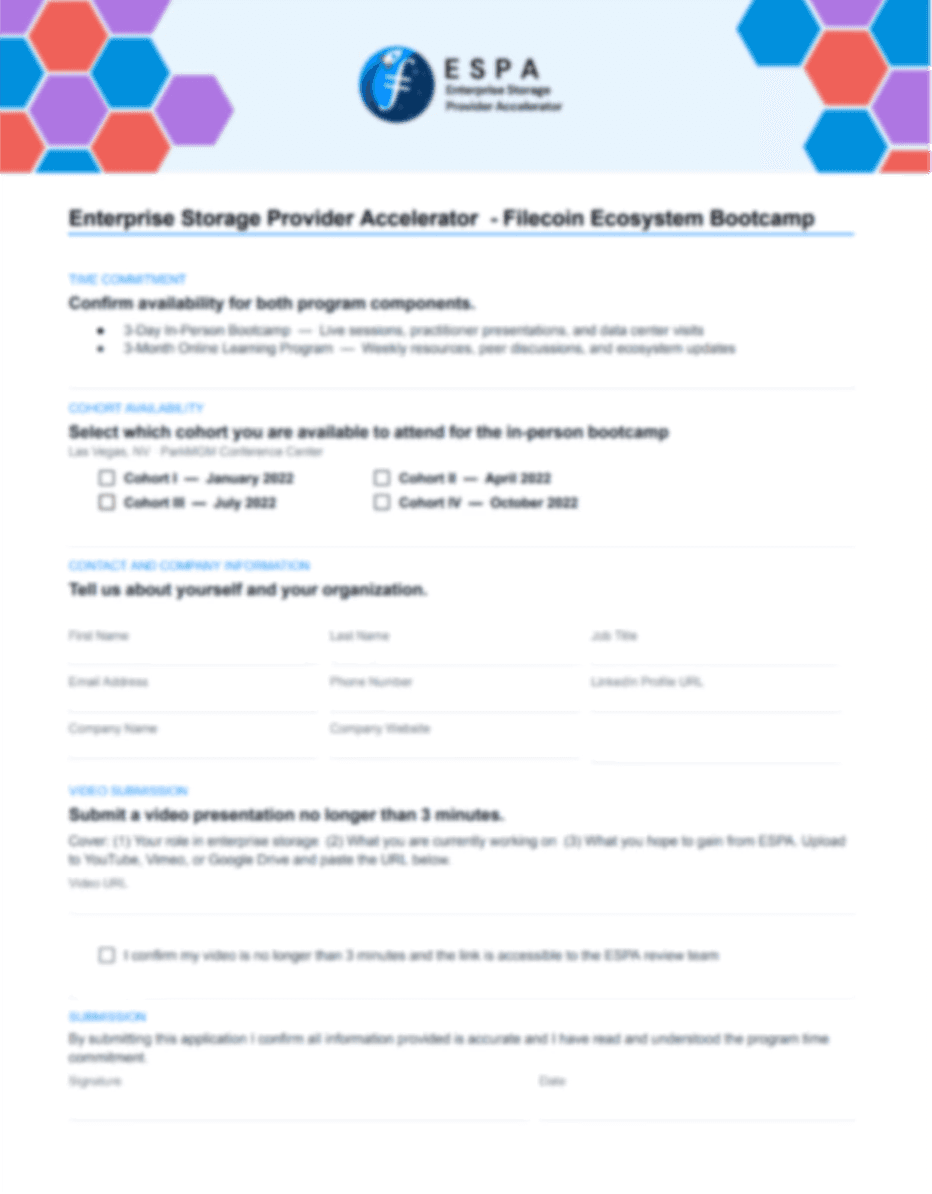
Cohorts 1-2
PDFs
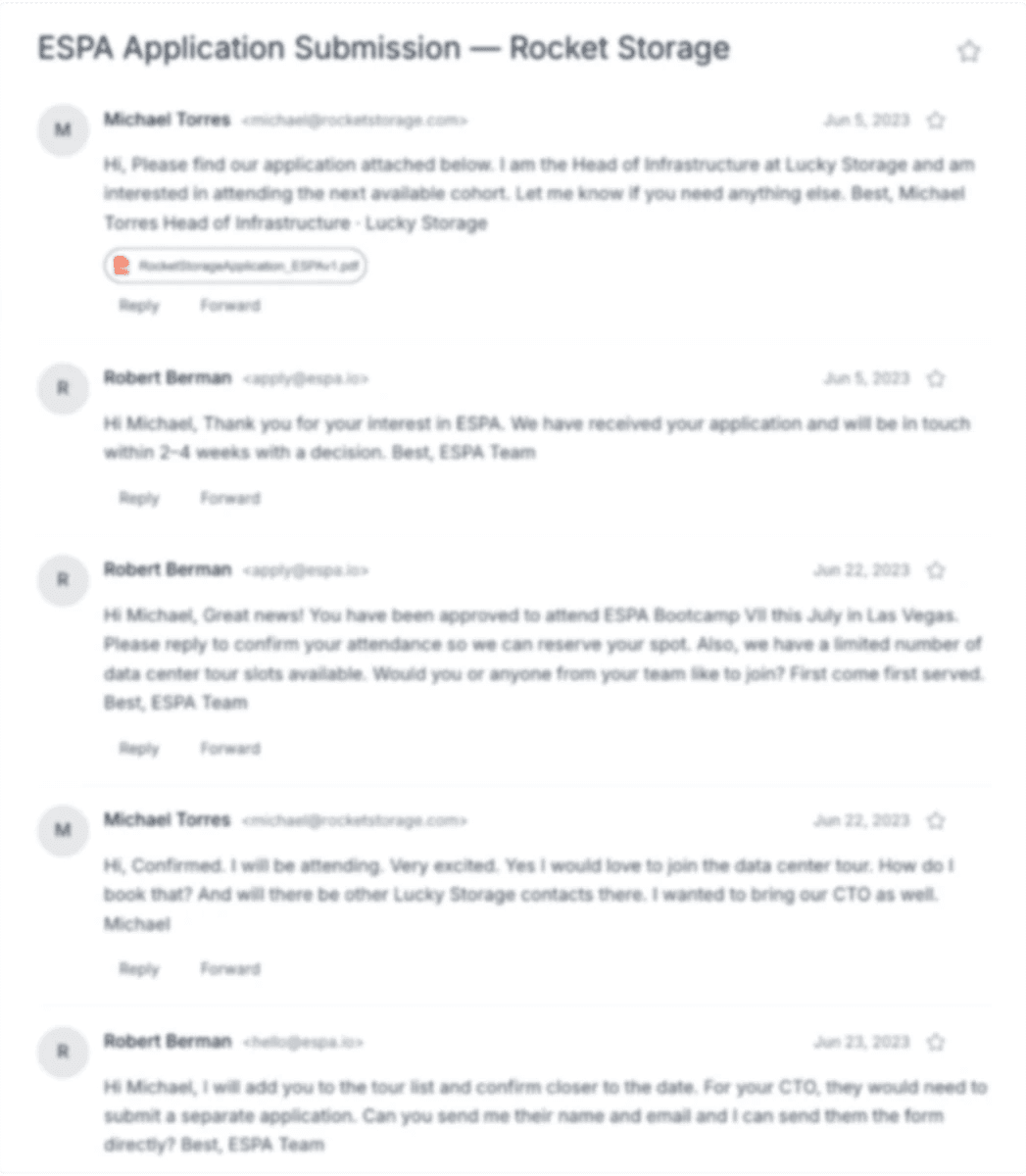
Cohorts 2-4
Email Threads
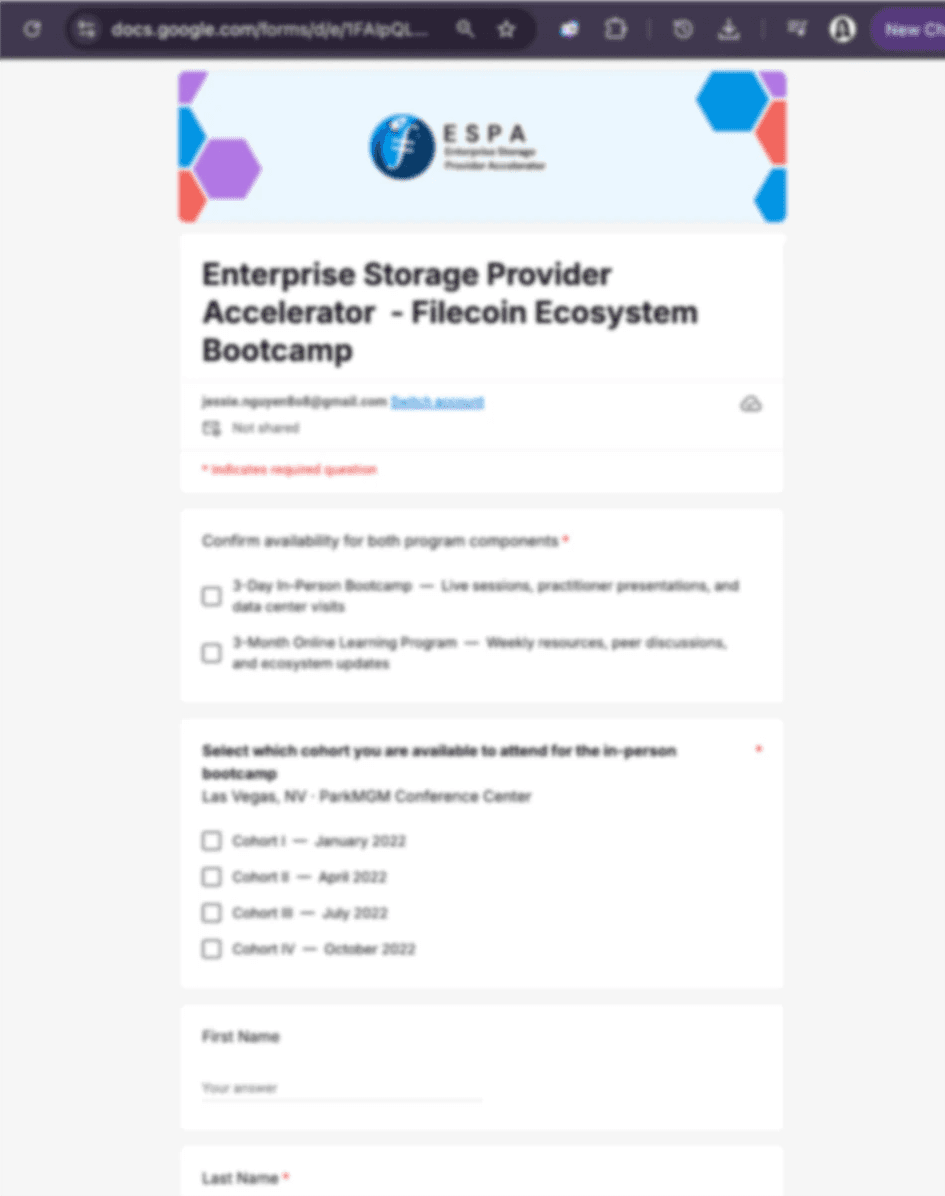
Cohorts 4-5
Google Forms
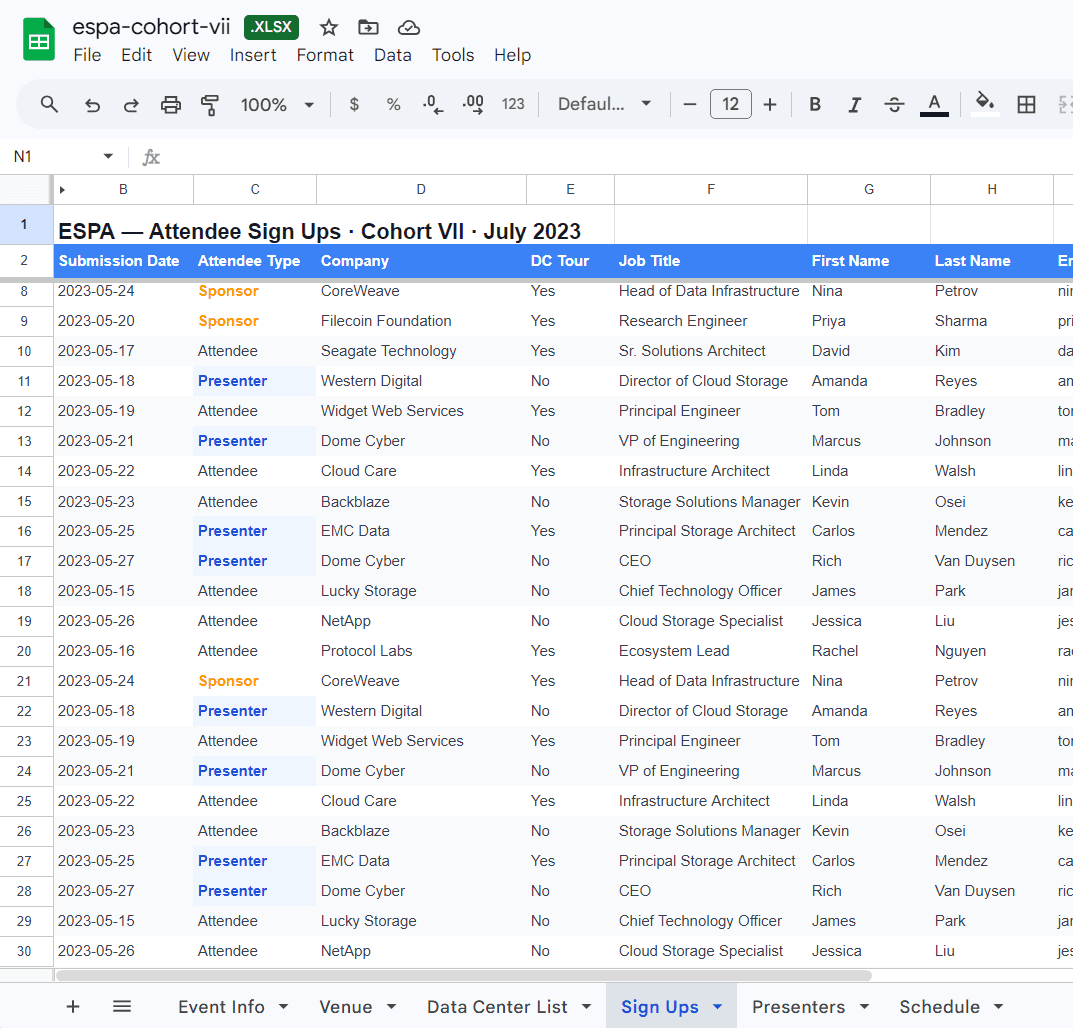
Cohorts 1-6
Google Sheets
COMPARATIVE UX AUDIT
I realized there were three critical functions needed
Registration UX
The existing intake was unstructured and informal for an enterprise audience
Conditional Logic
4 distinct participant types needed separate downstream flows from one entry point
Downstream Automation
Data collected at intake had to travel downstream for multiple purposes
The market had solutions. None of them fit this context.
Tool
Price (2026)
Registration UX
Conditional Logic
Automation
Google Forms
Free
Limited
No
No
Tally.so
Free/$29mo
Clean
Basic
No
Typeform
$25+/mo
Conversational
Basic
No
Eventbrite
3.7% + $1.79
Informal
No
No
Enterprise tools
$10K+·yr
Advanced
Full
Full
Information Gaps
GAP 01
Which participant types needed separate downstream flows?
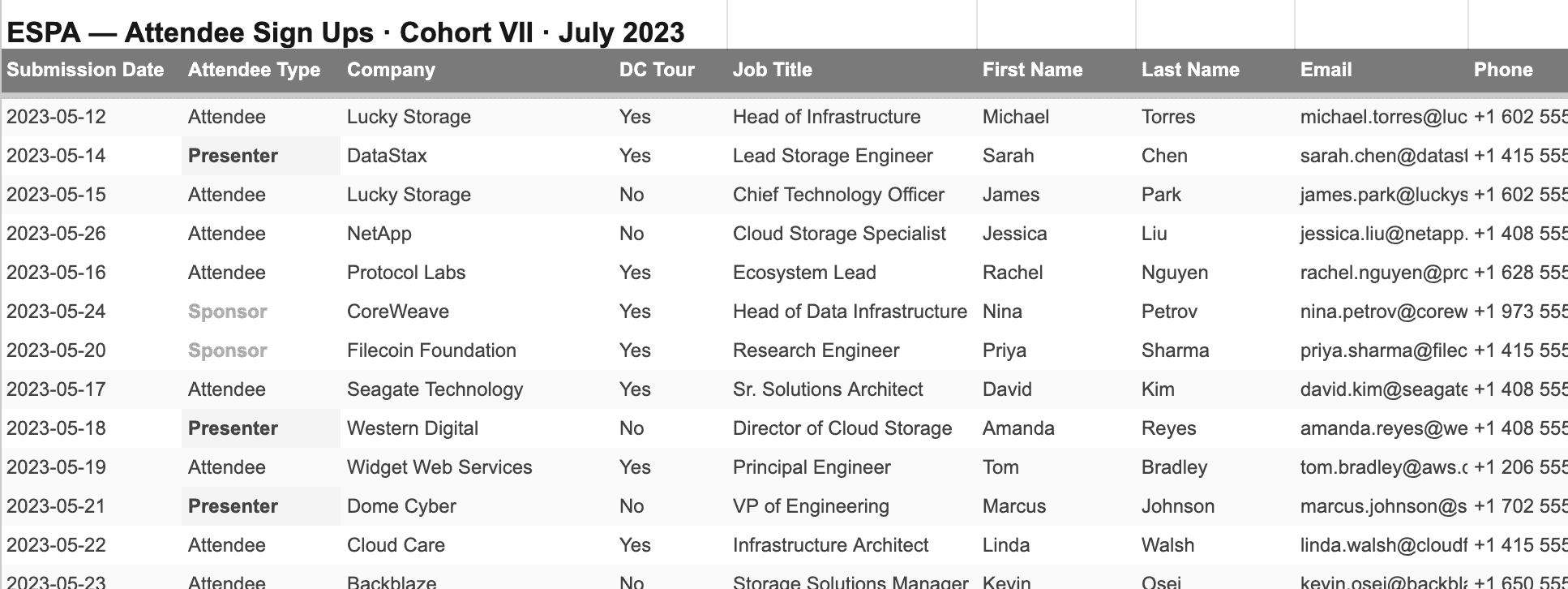
→7 routing flags from one entry point ->To serve 4 downstream consumers simultaneously: coordinator routing, automated communications, community directory, and participant profiles that outlast the event.
GAP
02
Where were the coordination failure points across the journey?
-> 4 distinct failure moments across 8 journey stages: intake, presenter scheduling, asset delivery, and post-event community
What did each group need to receive at each stage?
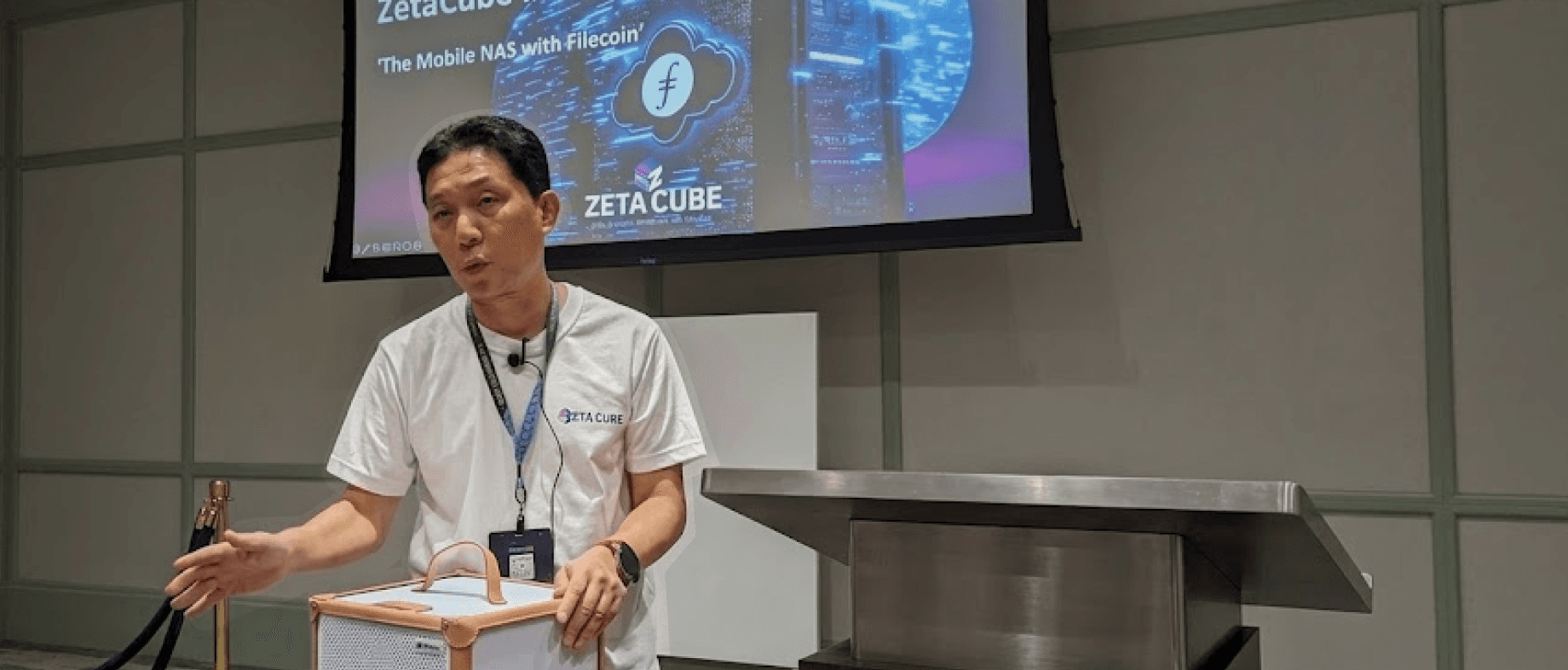
Attendee
Registration confirmation
Check-in instructions
Tour slot details
Event schedule
Community access
Post-event resources
Presenters:
Slot confirmation
Booking link
Branded assets
Session briefing
Deadline reminders
Session recording
Sponsors
Sponsorship confirmation
Asset submission
Placement confirmation
On-site logistics
GOALS
DESIGN CONTRAINTS
Repeatable
Must work for upcoming quarters quarters
Serves Multigroups
4 user groups · 1 unified system · no one left behind.
Human Centered
Automation handles logic · humans handle connection.
Experience Goals
Make the event feel clear, helpful, and memorable
Quick onboarding with accurate/timely information and community access.
Consistent messaging + immediate confirmation feedback to reduce cognitive load
Low activation energy for questions/next steps

Operational Goals
Run the event with reliable, repeatable systems
Reduce repetitive coordination through automation
Error prevention and data validation at entry
Balance automation with human touchpoints at key moments
Solution - SERVICE BLUEPRINT
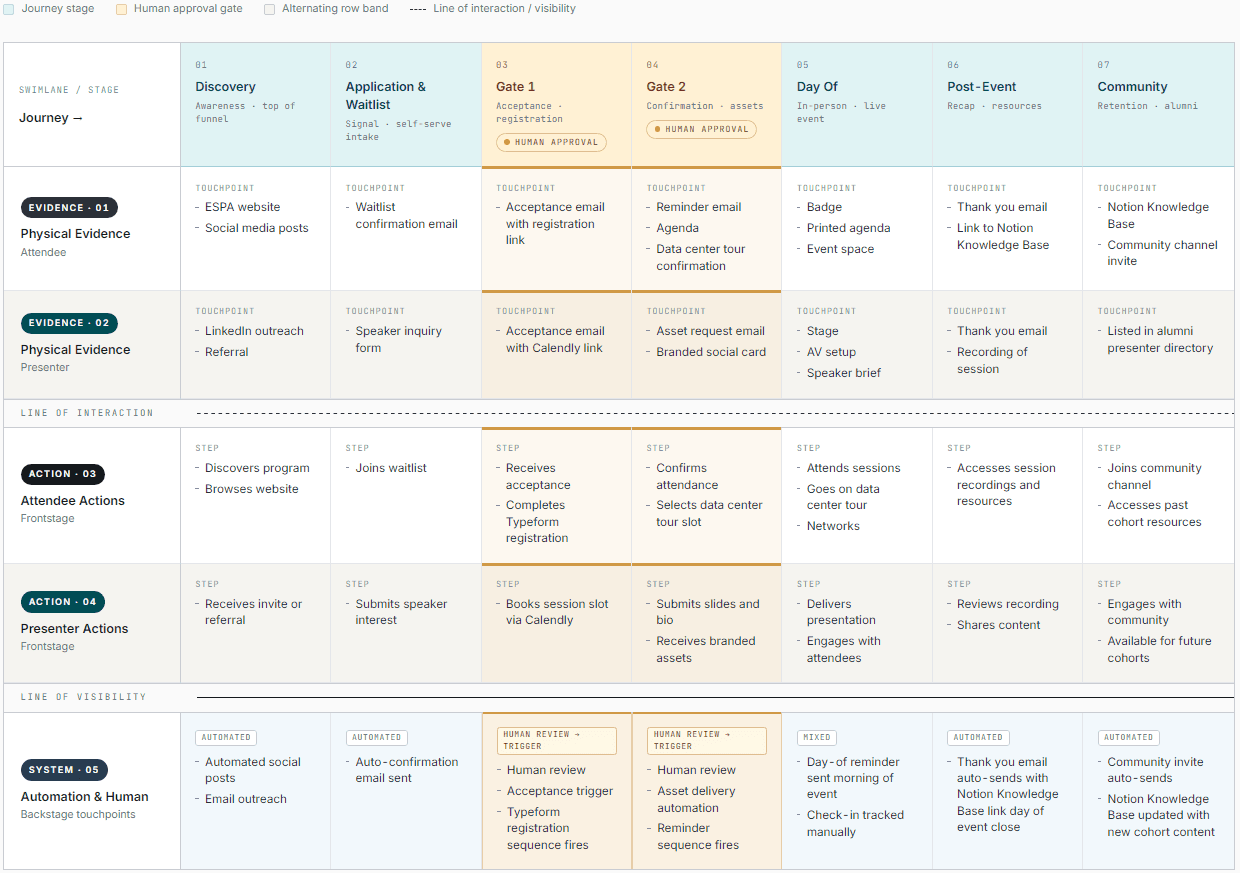
Mapping what participants experience, what coordinators do, and what the system handles invisibly
The service blueprint maps the complete system across six layers — physical evidence, participant actions, automation touchpoints, and design infrastructure — across eight journey stages. This revealed not just what was broken, but where each failure lived in the system and which layer needed to be redesigned to fix it.
SOLUTION ONE
Structured attendee onboarding
Registration form designed with conditional routing — attendee type, data center interest, presenter status, and sponsorship all handled within a single form flow.
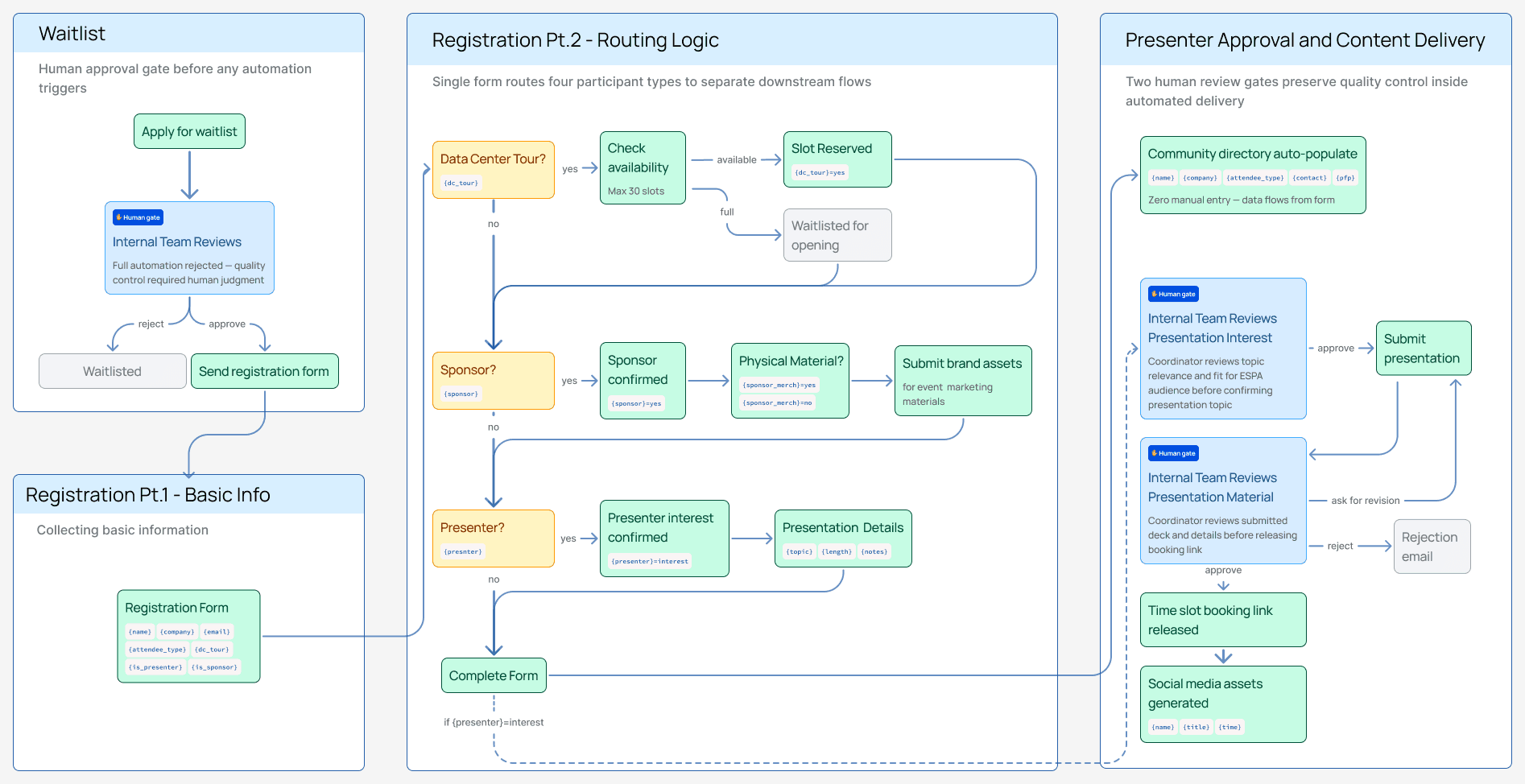
All routing flags collected in one submission — {attendee_type}, {dc_tour}, {is_presenter}, {is_sponsor} captured simultaneously.
Data center tour field checks capacity at intake — prevents overbooking at the 30-person facility limit.
Question sequence is load-bearing — {attendee_type} asked first because the answer determines which automation sequence fires.
SOLUTION TWO
Automated & Personalized Communications
One template produces unique outputs per participant
Zapier automation flow
T
Trigger - Form Submitted
Custom form submission fires the sequence. Attendee type collected at intake determines which path runs.
Replaces manual inbox triage
Route by participant type
Attendee, presenter, sponsor, or data center — one submission, four possible paths. No coordinator sorting required.
Send personalized confirmation
{name} and {session_details} pulled from form. Same template, unique output per participant.
Replaces manual follow-up email
🤚 Human gate — asset review
Coordinator reviews before delivery. Automation handles logistics; humans handle quality.
Human approval required
Deliver presenter assets
Branded materials delivered automatically after sign-off. Zero back-and-forth.
Replaces 50 manual emails
Example — Presenter Confirmation Email
From
ESPA Team <hello@web3espa.io>
To
{email}
You're confirmed to present at ESPA Cohort 6
Hi
{first_name}
,
You're confirmed as a presenter for ESPA Cohort 6. Here's what we have on file for your session:
Session
{presentation_topic}
Date
{event_date}
Format
{session_format}
We'll send your branded presenter card and slide template within 48 hours. If anything above looks incorrect, reply to this email and we'll fix it before anything goes out.
Looking forward to having you,
The ESPA Team
Automated routing eliminates coordinator sorting
Human touchpoints preserved where judgment matters
Automation handles logistics; humans handle connection.
SOLUTION Three
Presenter Automation & Branded Asset System
Calendly used as a UX layer for presenter scheduling — removed back-and-forth email coordination while preserving human confirmation at asset delivery.
Branded social card, auto-generated from presenter booking data.
Calendly as UX layer — booking UI designed around presenter mental model, not coordinator convenience
Asset templates — brand consistency enforced at system level, not individual review.
Approval preserved — coordinator sees delivery before send.
SOLUTION Four
Centralized post-event knowledge base
Notion chosen because its sidebar hierarchy maps directly to how attendees think about post-event resources — not how the org team produces them.
Information architecture structured around the attendee's question, not the org team's production order
IA structured around attendee mental model, content type over event date.
Contact CTA included for human connection inside self-serve system.
Same-day publish schedule designed. Delivery timeline was a design decision.
OUTCOME
80+
attendees onboarded per quarter with near‑zero errors
50
speakers coodination for a 3 day schedule
25 hrs
of operational overhead reduced, each quarter
Group
Before
After
Attendees
Manual email · no confirmation · no resources
Custom form → confirm → Notion hub day one
Presenters
Chasing assets · manual scheduling
Calendly → auto-asset delivery → zero coordinator involvement
ESPA Team
~25 hours manual coordination per event
Human involvement at 2 approval gates only
Data Center Visits
Separate threads · no source of truth
30 visits without confusion
Reflection
Designing for recurring systems is fundamentally different from designing one-off products. Every decision had to work for the 8th quarter as well as the first.
If I were to revisit this project I would add structured usability testing on the Typeform flow and conduct post-event attendee interviews to validate that the Notion hub structure matched how people actually looked for resources.
This project established my approach to systems design — understanding the full service before designing any part of it. That same methodology is now driving SalonSync, a live operations tool I am building and deploying for a 9-person nail salon in real time.